On this page
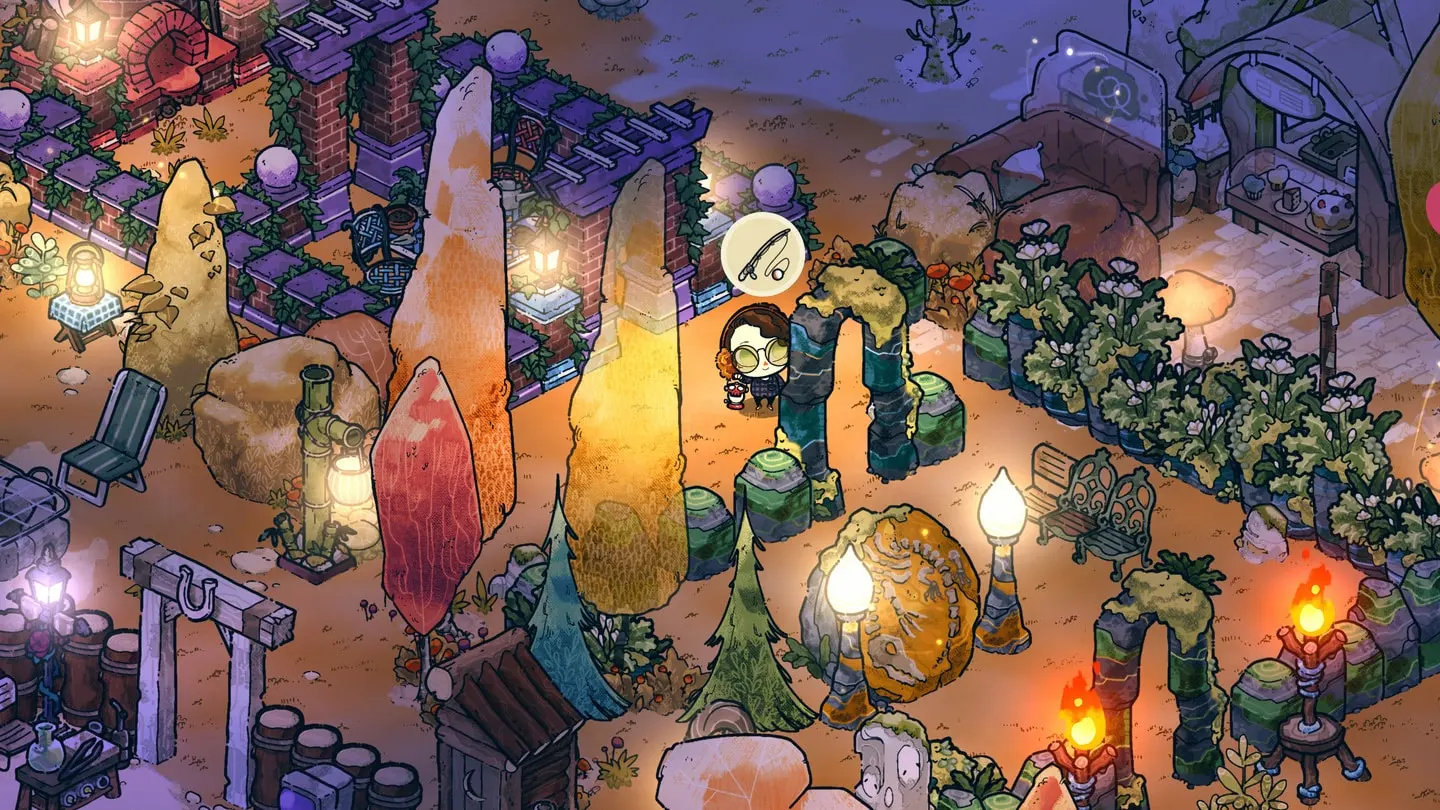
Cozy Grove is not a race. It is a hand-drawn life sim about helping a small community of ghost bears, and it runs in step with your device’s calendar. You can play for ten minutes or two hours, but the story advances through daily visits, completed requests and the passage of real days.
That design is the source of both its charm and most beginner frustration. This guide gives you a route through the first week that respects the clock instead of fighting it.
What kind of game this is
You are a Spirit Scout on a haunted island. A campfire named Flamey introduces the loop: meet a ghost bear, help them recover a memory, earn Spirit Wood, and feed it to Flamey so the island grows and another spirit appears.
The official store description promises a 40+ hour campaign and roughly 30–60 minutes of new quest content each day. There is also plenty of optional fishing, collecting, cooking and decorating after the day’s requests are done. You do not need to complete everything in one session.
The rules that matter more than the tutorial
Spry Fox’s own support documentation settles several questions that new players often discover the hard way:
- A new day begins at 5am local time, not midnight. If you play at 1am, you are still on the previous game day.
- The campaign day only advances when you actually load and play that save. Leaving the game closed does not passively complete a day.
- Story quests wait in calendar days. After a milestone, a bear may need anywhere from 0 to 12 real days before the next story beat.
- The island layout shifts, but some anchors remain: the Seagull Bear is on the west beach, for example. Your map can look different from a friend’s.
- The boat does not end the game. The credits roll, then you continue with unfinished bear stories and post-credits dialogue.
Your first 30 minutes, step by step
You do not need to optimize the opening. Still, a tidy first session saves you from wandering.
- Talk to Flamey and follow the prompts. The campfire explains the island and points you toward Charlotte, the Ranger Bear.
- Meet Charlotte and complete her first request. An early Spirit Log appears near your tent; do not leave it on the ground.
- Feed the log to Flamey. This expands the firelight and wakes your first new resident, Jeremy Gruffle.
- Meet Jeremy on the west side of camp. His opening quest introduces branches and, soon, the crafting bench.
- Gather a little of everything you pass, but keep your backpack tidy. Branches, wood, stone, fruit and shells are all useful, and many early requests are deliberately simple.
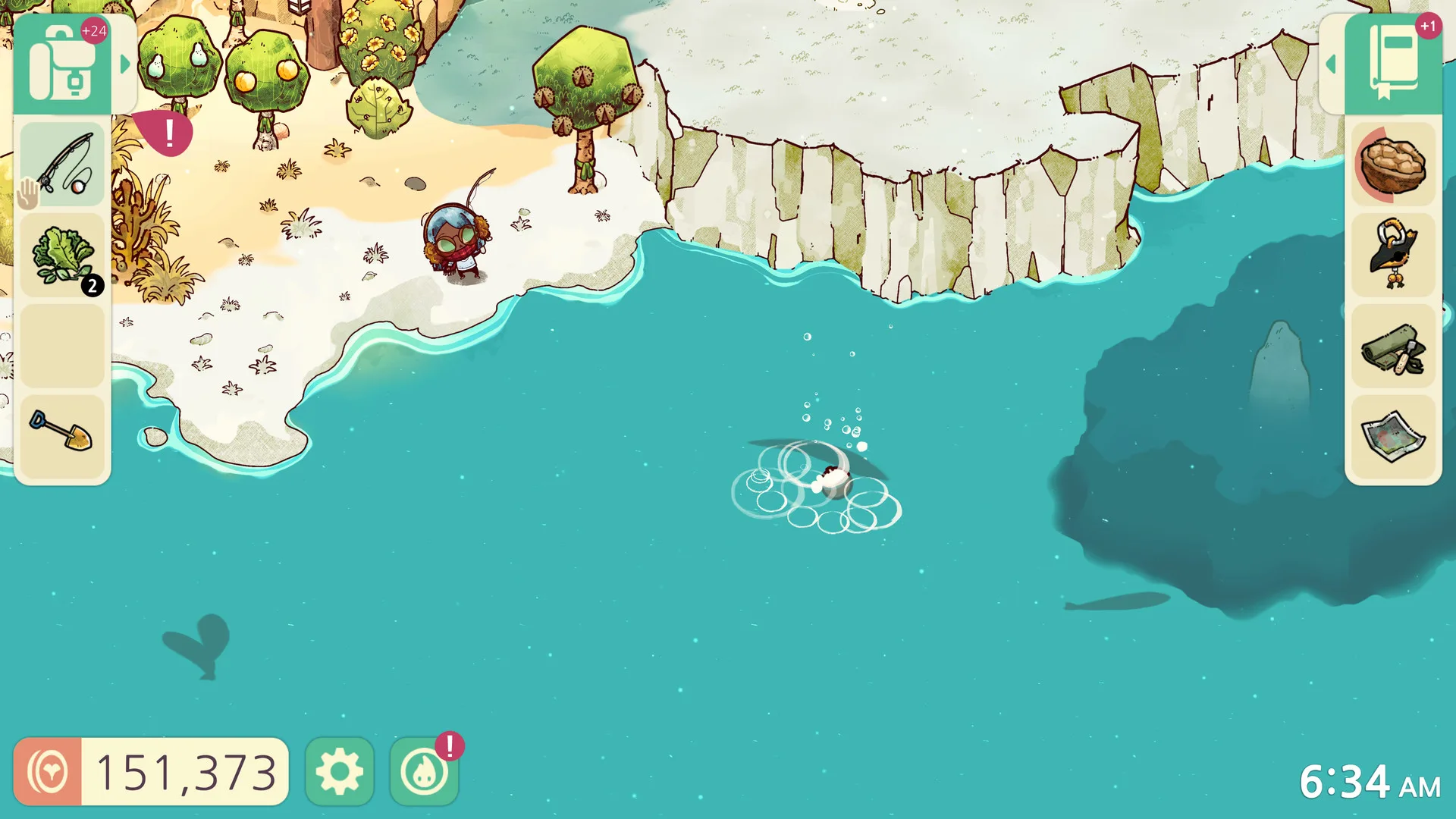
- Do not buy every decoration you see. Your first 20 coins are better reserved for the fishing rod when the Captain asks for one.
- Open the quest log before you log off. It tells you what is actually being waited on.
The daily loop from day two onward
Once the first residents are awake, Cozy Grove settles into a rhythm:
- Speak to every resident. A bear who has a new request will show it through dialogue or an icon. Some story beats are conversations, not quests.
- Accept and complete quests before mass-selling. The developers specifically recommend waiting until you have all your quests before selling, burning or transforming resources.
- Check the mailbox once Patrice unlocks it. Shop orders, letters and seasonal extras arrive there.
- Visit Flamey to feed any logs, move items into storage, and burn surplus materials.
- Do the small chores that compound: clear shells off the beach, harvest colored plants, pet and feed animals, and pick up any new fish or critter for a donation.
- Spend the rest of your time on one optional project. Fishing, decorating or collecting is more satisfying than trying to do all three every day.
Why color matters
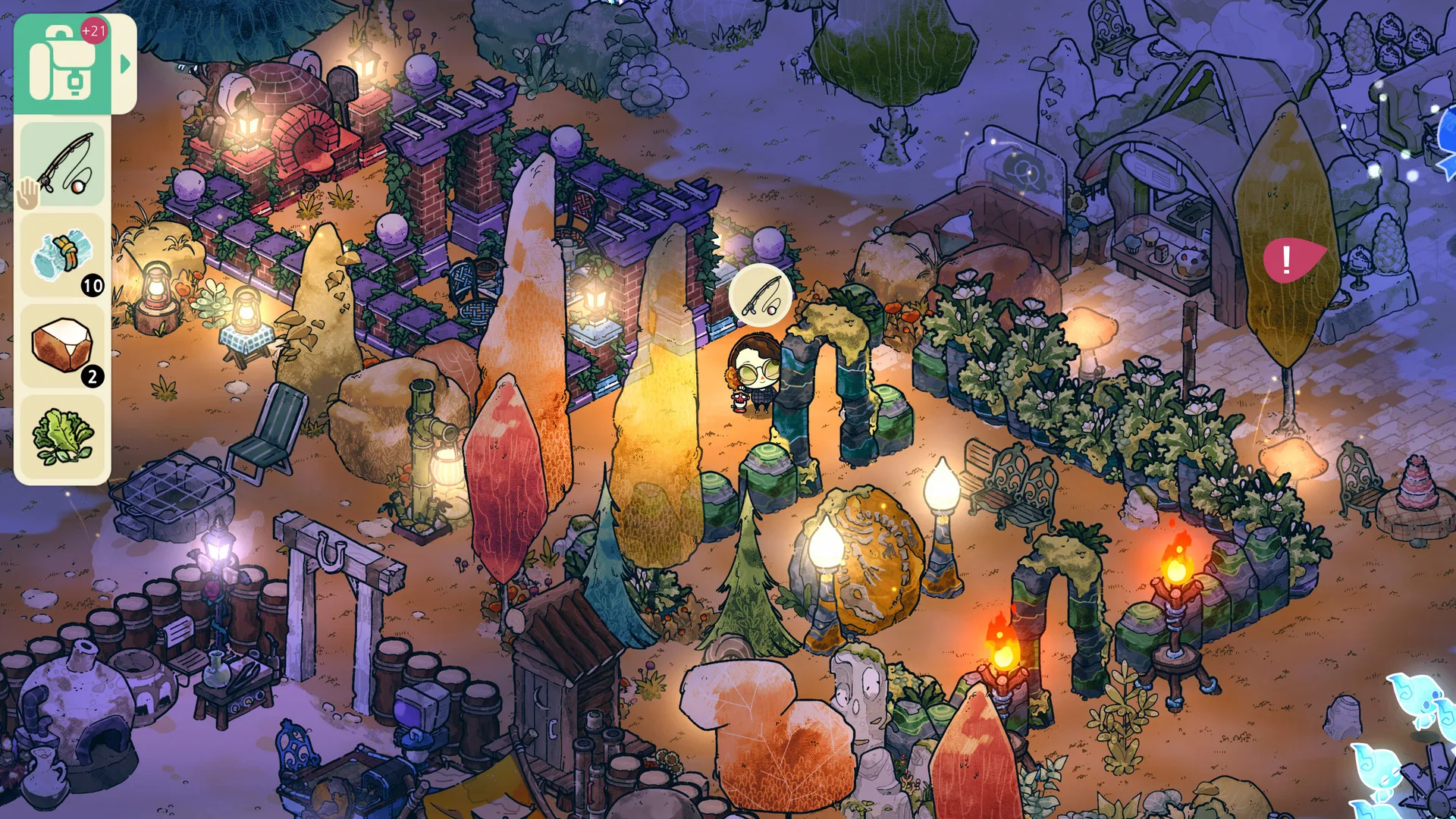
Plants and pets cannot be harvested in uncolored areas. Helping a bear colors their immediate area for the day, and eventually becomes permanent once that bear’s heart meter reaches five hearts. Lamps can extend that light into new spaces. If a harvestable object is dormant, check whether its area has color before assuming the object is broken.
Get the early tools in the right order
You do not need every tool on day one, and trying to buy them all at once will leave you broke. Prioritize what the current residents ask for:
| Tool | Why it matters early | Practical note |
|---|---|---|
| Shovel | Digging dirt mounds, roots and buried items | A basic tool; upgrades come later |
| Fishing rod | Fishing, Captain Snout’s lessons, food and income | Purchased from Mr. Kit for 20 old coins |
| Critter net | Catching bugs for donations, quests and sale | A one-time purchase; does not break like tools |
| Pickaxe | Breaking rocks and harvesting ore | Ore feeds crafting and repair chains |
| Machete | Clearing tougher vegetation | Unlocks as the island grows |
| Spirit camera | Photo quests | Purchase from Kit; film is a separate supply |
Scroll the table sideways to see every column.
Tools have durability. When one breaks, take it to Jeremy rather than replacing it automatically. Repairing an upgraded tool is usually the cheaper choice, and some bears will ask for tool-related materials later.
What to save, sell and burn
The economy is less mysterious once you separate quest stock from surplus.
Keep
- One of every new fish, shell, critter, flower and cooked dish until you have donated it to Captain Snout’s collection.
- Branches, softwood, hardwood, iron and other materials that a current quest asks for.
- Quest mementos, letters and unusual items with no sale price. If an item looks important, it usually is.
- A small reserve of cooked food for a bear who asks for a specific dish.
Sell or process
- Duplicate fish after the first donation. Compare the raw sale price with what burning it into charred fishbones is worth to you for repairs and recipes.
- Surplus fruit and mushrooms after checking the day’s quests. Cooking usually beats selling raw, but only if you can use or sell the result.
- Common decorations you genuinely do not want. Decorating is part of the game, but a cluttered camp is not a requirement.
Be careful with
- Flowers. Pigment and dyes turn flowers into decoration options. Selling every blossom is a choice, not an obligation.
- Relics and essences. They can be quest requirements, and some recipes consume them in large quantities.
- Shells on the ground. Spry Fox notes that shells left lying around can prevent new shells from spawning. Pick them up even if you plan to sell them later.
A realistic first-week plan
You do not need to follow this exactly. It is a way to avoid spending a whole evening doing maintenance and wondering why the story did not move.
Day 1: meet the camp
Follow Flamey’s opening, meet Charlotte and Jeremy, feed your first logs and get the basic tools you are offered. Do not stress about perfect storage or a beautiful campsite. Leave the decorations for later.
Days 2–3: build the habit
Check in with every resident, complete their current requests, unlock Patrice’s mailbox if you can, and start donating your first new catches. When you are not questing, pick one gathering activity and clear a little of the map.
Days 4–7: unlock a useful service
Aim to make progress on Jeremy, the Captain and Patrice, because their services — crafting, fishing and mail — make everything else smoother. If a bear has no new story beat, that is normal. Do the daily round, then stop.
Common beginner mistakes
Time-traveling to skip days. Spry Fox maintains a time-travel FAQ, but the support team also warns that changing the clock can break save data. For most players, the safer choice is to treat Cozy Grove as a daily ritual.
Burning items before reading every quest. The game does not always make it obvious that a bear will want a mundane material until you speak to them. Check the quest log first.
Hoarding everything. A giant collection of unprocessed raw materials is not the same as progress. Use storage, sell duplicates and keep quest stock organized.
Ignoring the collection. Donating the first copy of a fish, bug, shell or flower gives a one-time reward and fills the Captain’s collection. Donating is usually more valuable than an early sale.
Spending every coin on decorations. There is no cosmic rule against it, but store upgrades, tools and later requests compete for the same purse. Keep a little liquidity.
What “finishing” looks like
The main campaign can take months of short sessions. When you eventually take the boat, Spry Fox confirms the game does not truly end: a cutscene plays, credits roll, and you return to finish any bear stories that are not complete. One story milestone is specifically designed to finish after the boat, so do not wait for a perfect “everyone is done” moment.
That is the right note to end on. Cozy Grove is a game about small returns. The most efficient way to play is not to min-max it into a second job; it is to make each short visit count, then let the island keep growing without you.
Sources & notes
Linked, dated and labeled
Official sources are used for platform facts, schedule rules and mechanics. Community data is labeled because it is maintained by players rather than Spry Fox.
- Official · Spry Fox Support Tips for getting started in Cozy Grove New-day timing, saving, island structure, color, tools, pets, economy, shell limits, cross-device caveats.
- Official · Spry Fox Support How do “campaign days” (and time in general) work? 5am reset, campaign day behavior, calendar-day quest timing, Pandam schedule, time-travel caveats.
- Official · Spry Fox Support When do I get new Story Quests? Story milestones, calendar-day waits of 0–12 days, milestone dependencies.
- Official · Spry Fox Support Does taking the boat end the game? Endgame expectations, post-credits play, one storyline that finishes after the boat.
- Official · Spry Fox Support Notes on Seasons Month-to-season mapping, fish rotation dates, four-month fish cohorts, seasonal plants.
- Community · Cozy Grove Wiki contributors Spirit Wood (Cozy Grove) Spirit-log requirements by rank and the 17-bear unlock table. Requirements can change with patches; check the in-game Flamey prompt.
- Community · Fandom contributors Cozy Grove Wiki Community-documented bear roles, quest mechanics, item prices, festival dates, spirit-log requirements. Fan-maintained and not endorsed by Spry Fox. Values reproduced on this site are labeled where they are community data.
- Official · Spry Fox Support Cozy Grove Patch Notes Version timeline and update descriptions.
- Store listing · Valve / Spry Fox Cozy Grove on Steam Platform, release date, price, features, system requirements, screenshots.
- Store listing · Nintendo Cozy Grove – Nintendo Switch 2 Edition Switch 2 release date, resolution and frame-rate features, file size, supported languages, DLC.